
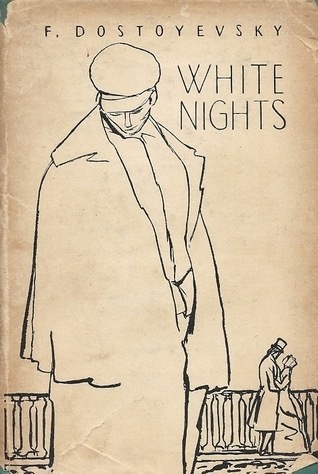
Author: Fyodor Mikhailovich Dostoevsky (1821–1881) was one of Russia’s most influential writers and is widely regarded as a major figure in world literature. His novels and short stories are known for their exploration of human psychology, relationships, morality, and inner conflict. Among his best-known works are Crime and Punishment, The Brothers Karamazov, The Idiot, and Notes from Underground. His writing often focuses on complex characters and the emotional and psychological struggles they face.
White Nights, first published in 1848, is one of Dostoevsky’s earlier and shorter works. Unlike some of his later novels, it tells a more intimate story centered on loneliness, love, and human connection.
Summary: “White Nights” is a short story set in Saint Petersburg and follows a lonely young man who spends his evenings wandering through the city. One night, he meets a young woman named Nastenka near a canal. After helping her when she is approached by another man, the two begin talking and quickly develop a close connection.
Over the following four nights, the narrator and Nastenka meet again and share stories about their lives. The narrator tells her about his lonely existence and his habit of imagining relationships and conversations with people around him. Nastenka, in turn, tells him about her life with her grandmother and the man she has fallen in love with.
Nastenka explains that a young lodger once lived in their house and that they gradually became close. Before leaving Saint Petersburg, he promised to return after a year and marry her. The year has now passed, but he has not contacted her. Unsure whether he still intends to come back, Nastenka asks the narrator to help her find out what happened to him.
As the two spend more time together, their friendship becomes increasingly important to both of them. The narrator develops strong feelings for Nastenka but keeps them largely to himself because he knows that she is still waiting for another man.
Eventually, Nastenka receives a message from her former love and learns that he has returned to Saint Petersburg. When they meet again, she leaves with him, while the narrator remains behind.
The story concludes with the narrator reflecting on the brief period they spent together and the happiness those nights brought him, despite how quickly the relationship came to an end.
Personal Opinion: White Nights is a beautiful and relatively short story that offers a glimpse into Dostoevsky’s early writing style. Compared with his longer and more complex novels, the story is much more intimate and focused, but it already contains many elements that are typical of Dostoevsky: loneliness, emotional vulnerability, complicated relationships, and characters who spend a great deal of time reflecting on their feelings.
I particularly enjoyed the fact that the story is short and straightforward while still creating a strong emotional atmosphere. The conversations between the narrator and Nastenka are at the center of the story, allowing their relationship to develop naturally over just a few nights.
It is not the most complex work by Dostoevsky, but it is an enjoyable introduction to his writing and a good choice for anyone who wants to experience his style without committing to one of his much longer novels. For me, White Nights is a nice, touching short story and a worthwhile read for fans of classic literature and Dostoevsky.








Leave a Reply