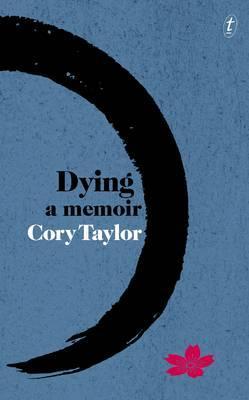
Author: Cory Taylor (1955–2016) was an Australian novelist, screenwriter, and memoirist whose work is known for its honesty, emotional depth, and sharp observations of human relationships. Born in Queensland, she spent parts of her childhood in Fiji and Kenya before studying history at the Australian National University. Before becoming a novelist, she worked as a writer for film and television and also published children’s books.
Taylor gained literary recognition with her novels Me and Mr Booker, which won the Commonwealth Writers’ Prize for the Pacific Region, and My Beautiful Enemy, which was shortlisted for the prestigious Miles Franklin Award.
In 2005, she was diagnosed with melanoma. As her illness progressed, she wrote her final work, “Dying: A Memoir”, a deeply personal account of living with a terminal diagnosis. The book was completed in just a few weeks and published shortly before her death in 2016. It received widespread critical acclaim, was shortlisted for the Stella Prize, and introduced her work to an international audience.
Today, Cory Taylor is remembered as one of Australia’s most respected contemporary writers, whose work combines literary elegance with an unflinching examination of life, family, memory, and mortality.
Summary: The book chronicles the final stage of her life as she lives with the knowledge that her illness is incurable and that death is approaching.
While the memoir begins with her diagnosis and the reality of her declining health, much of the book is devoted to reflections on her past, particularly her family relationships, childhood, and parents. Taylor revisits memories from different stages of her life, examining the people who shaped her and the experiences that remained with her into old age. These personal recollections form a significant part of the narrative and often take up more space than the medical aspects of her illness.
The memoir moves between her present circumstances and these memories, creating a portrait of a life viewed through the lens of its final chapter. Taylor writes about her parents, their personalities, her relationship with them, and the lasting impact they had on her. She also reflects on her marriage, friendships, and other important relationships, connecting past experiences with her current situation.
Alongside these reflections, the book documents the progression of her disease, medical treatments, and the practical realities of living with a terminal illness. Taylor describes interactions with doctors, the physical effects of cancer, increasing fatigue, and the gradual loss of independence that accompanies serious illness.
The memoir also touches on broader topics related to death and dying, including end-of-life care, the desire for control over one’s final days, and discussions surrounding euthanasia. However, these subjects are interwoven with her personal memories rather than presented as standalone arguments or essays.
As her condition worsens, Taylor continues to record her thoughts, observations, and memories, creating a memoir that is as much about looking back on a life and the relationships that defined it as it is about facing death itself.
Personal Opinion: “Dying: A Memoir” was a different book than I expected. Going into it, I assumed it would focus primarily on the experience of dying itself—the thoughts, emotions, and realities of facing death. While those themes are certainly present, a large portion of the memoir is actually devoted to Cory Taylor’s reflections on her life, particularly her childhood, her parents, and her family relationships.
From her recollections, it becomes clear that she experienced a difficult childhood and often viewed many aspects of her life through a rather negative lens. These memories and relationships shape much of the narrative and help explain the person she became. As the memoir progresses, however, there is also a sense that she gradually comes to terms with her past and finds a measure of peace as she approaches the end of her life.
Personally, I found the book to be more of a life reflection than a book about death itself. That was not what I expected when I picked it up, and readers looking for a deeper exploration of the dying process may feel similarly. Nevertheless, it is an honest and thoughtfully written memoir that offers an intimate look at a woman revisiting her life during its final chapter. Not quite what I anticipated, but certainly not a bad read at all.







Leave a comment