-
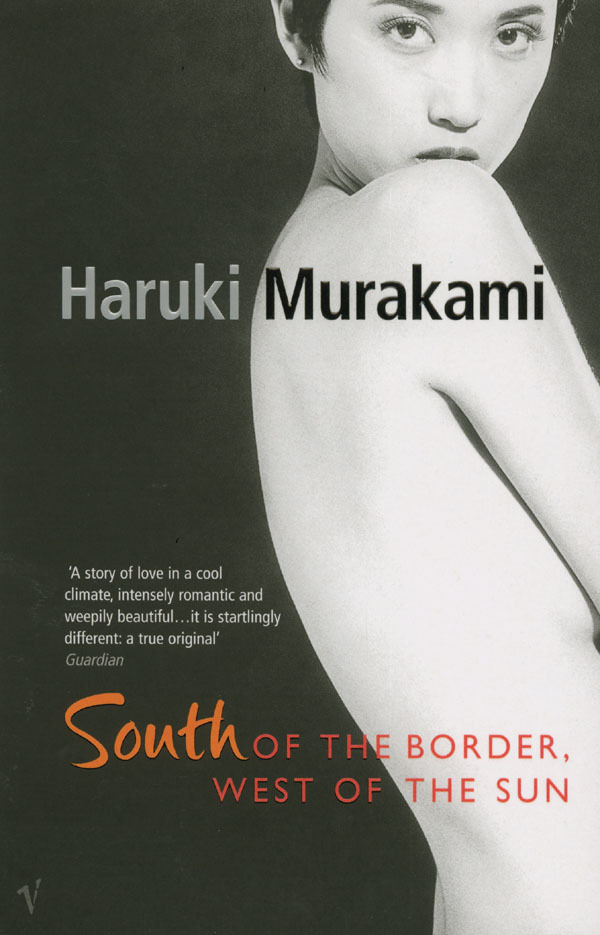 Continue reading →: “South of the Border, West of the Sun” by Haruki Murakami
Haruki Murakami’s “South of the Border, West of the Sun” follows Hajime, a man haunted by feelings of incompleteness from childhood. His life, marked by a chance reunion with a lost love, Shimamoto, forces him to choose between his mundane existence and the idealized past. The novel explores themes of…
-
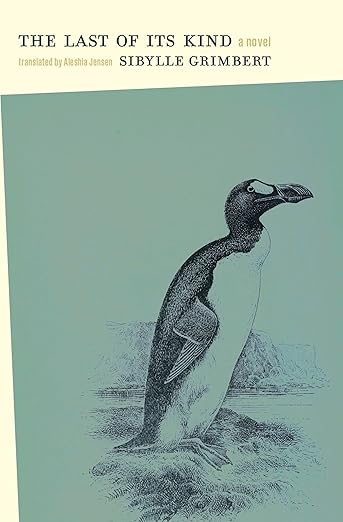 Continue reading →: “The Last of Its Kind” by Sybille Grimbert
Sybille Grimbert, a French novelist born in 1967, is known for her exploration of identity and human relationships. Her impactful novel “The Last of Its Kind” follows Gus, a zoologist in 1835, who rescues a potentially extinct great auk, Prosp. Their evolving bond highlights themes of obsession and species extinction.
-
 Continue reading →: “Crime and Punishment” by Fjodor Michailowitsch Dostojewski
Raskolnikov wanders through the crowded streets of Saint Petersburg, his thoughts heavy and restless. The line between reason and madness begins to blur as guilt quietly takes hold. What starts as a calculated act slowly unravels into a tense struggle between conscience, fear, and the weight of consequence.
-
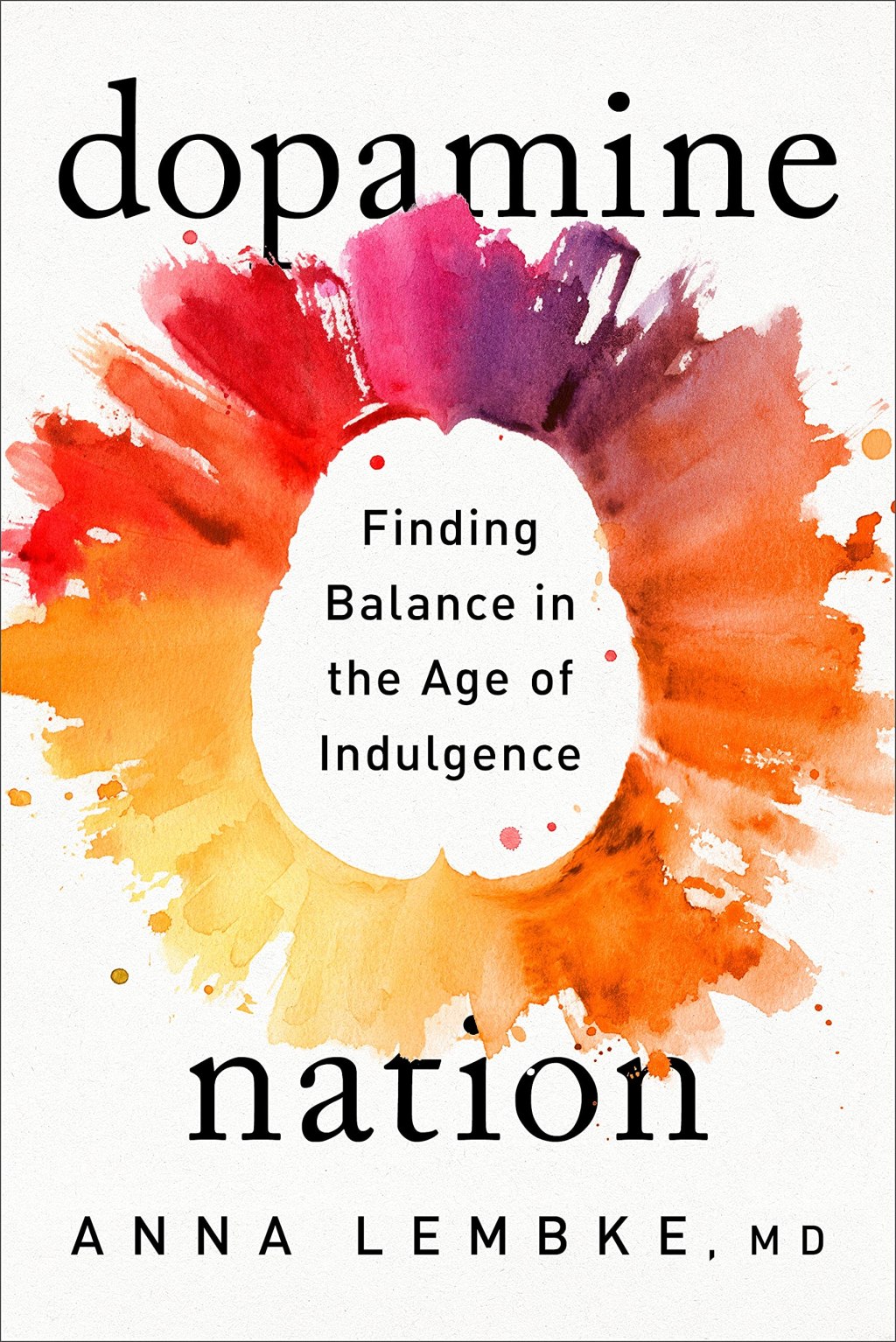 Continue reading →: “Dopamine Nation” by Anna Lembke
Anna Lembke’s “Dopamine Nation” explores the brain’s reward system and its link to addiction and compulsive behavior. The book discusses dopamine’s role in motivation and pleasure, detailing how modern stimuli disrupt emotional balance and lead to addictive behaviors. Lembke offers insights into treatment and recovery while connecting neuroscience with real-world…
-
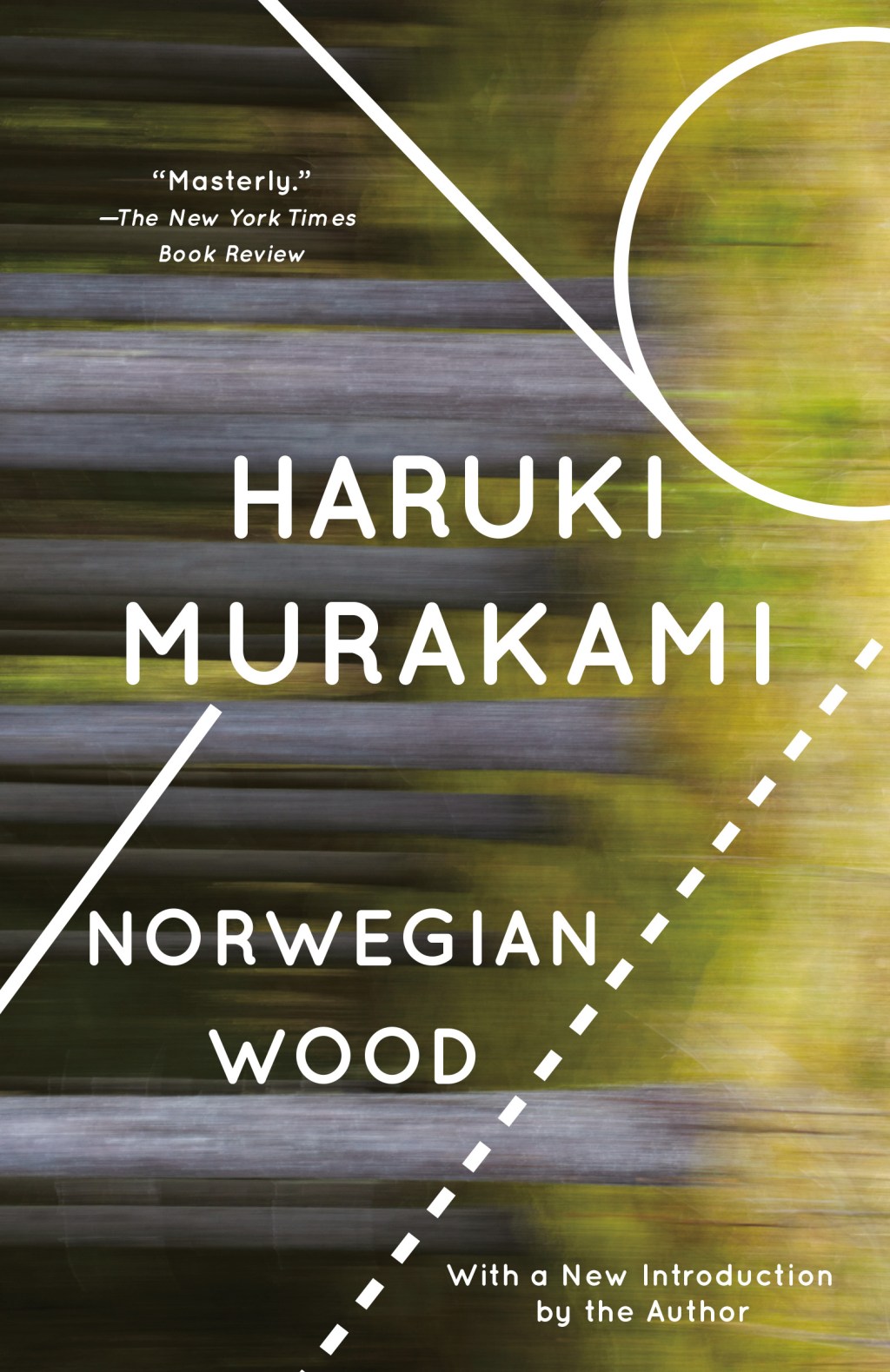 Continue reading →: “Norwegian Wood” by Haruki Murakami
Haruki Murakami, a former jazz bar owner and long-distance runner, wrote “Norwegian Wood,” a poignant coming-of-age novel. It follows Toru Watanabe’s complicated relationships with two women, Naoko and Midori, against the backdrop of 1960s Japan’s student unrest. The narrative examines themes of grief, love, and cultural taboos surrounding mental health…
-
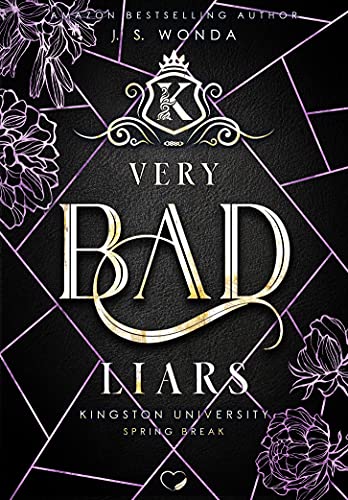 Continue reading →: “Very Bad Liars” by J.S. Wonda
J.S. Wonda’s “Very Bad Liars” continues the Kingston University series, focusing on Mable amid escalating secrets and power dynamics. The story evolves as the Kings’ emotionally distant personas reveal cracks, exchanging cruelty for seduction. With external tension rising, the plot emphasizes emotional and psychological interplay, despite limited depth and progression.
-
 Continue reading →: “Without Shares It Will Be Hard” by Noah Leidinger & Florian Adomeit
Noah Leidinger and Florian Adomeit’s book “Without Shares It Will Be Hard” emphasizes the importance of stock investing for long-term wealth. It offers accessible guidance on company analysis and investment strategies but remains superficial for seasoned investors. Aimed primarily at beginners, it serves as an introductory tool rather than an…
-
 Continue reading →: “The Sorrows of Satan” by Maria Corelli
Maria Corelli, under her pseudonym, became a literary sensation, outselling major authors of her time, including Arthur Conan Doyle. Her novel, The Sorrows of Satan, cleverly explores themes of moral corruption and the seductive nature of ambition through a Faustian narrative, positioning Satan as a sympathetic figure reflecting humanity’s inherent…
-
 Continue reading →: “Great Expectations” by Charles Dickens
Charles Dickens’s “Great Expectations” explores the tumultuous life of Pip, an orphan whose ambition leads him to social ambition, yet unveils his moral decay. As he navigates class struggles and personal shame, the novel reveals the impact of upbringing on identity, urging readers to reflect on true greatness while empathizing…
-
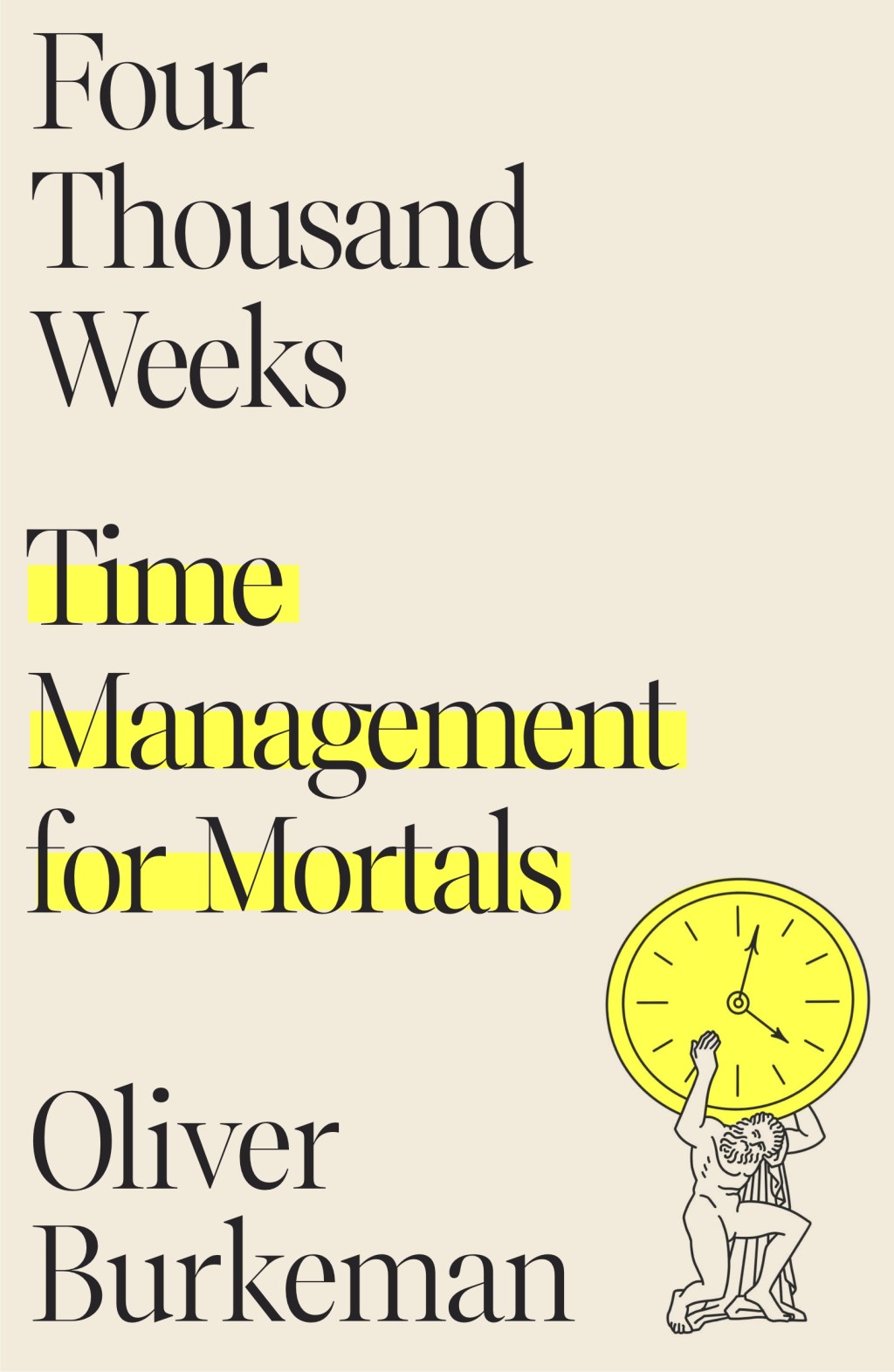 Continue reading →: “Four Thousand Weeks” by Oliver Burkeman
Oliver Burkeman’s “Four Thousand Weeks” redefines time management, urging acceptance and meaning over productivity. He critiques the obsession with efficiency, emphasizing that life’s finite nature deserves a focus on what truly matters. By embracing limitations and prioritizing presence, readers can find fulfillment beyond the relentless pursuit of optimization.
Hello!
I’m Sandro

Welcome to BooksTerra. I’m passionate about books and love sharing insightful reviews and engaging literary discussions. Join me on a journey through the world of reading, where every book tells a story.
Let’s connect
Join the fun!
Stay updated with our latest insights and recommendations by joining our newsletter.