
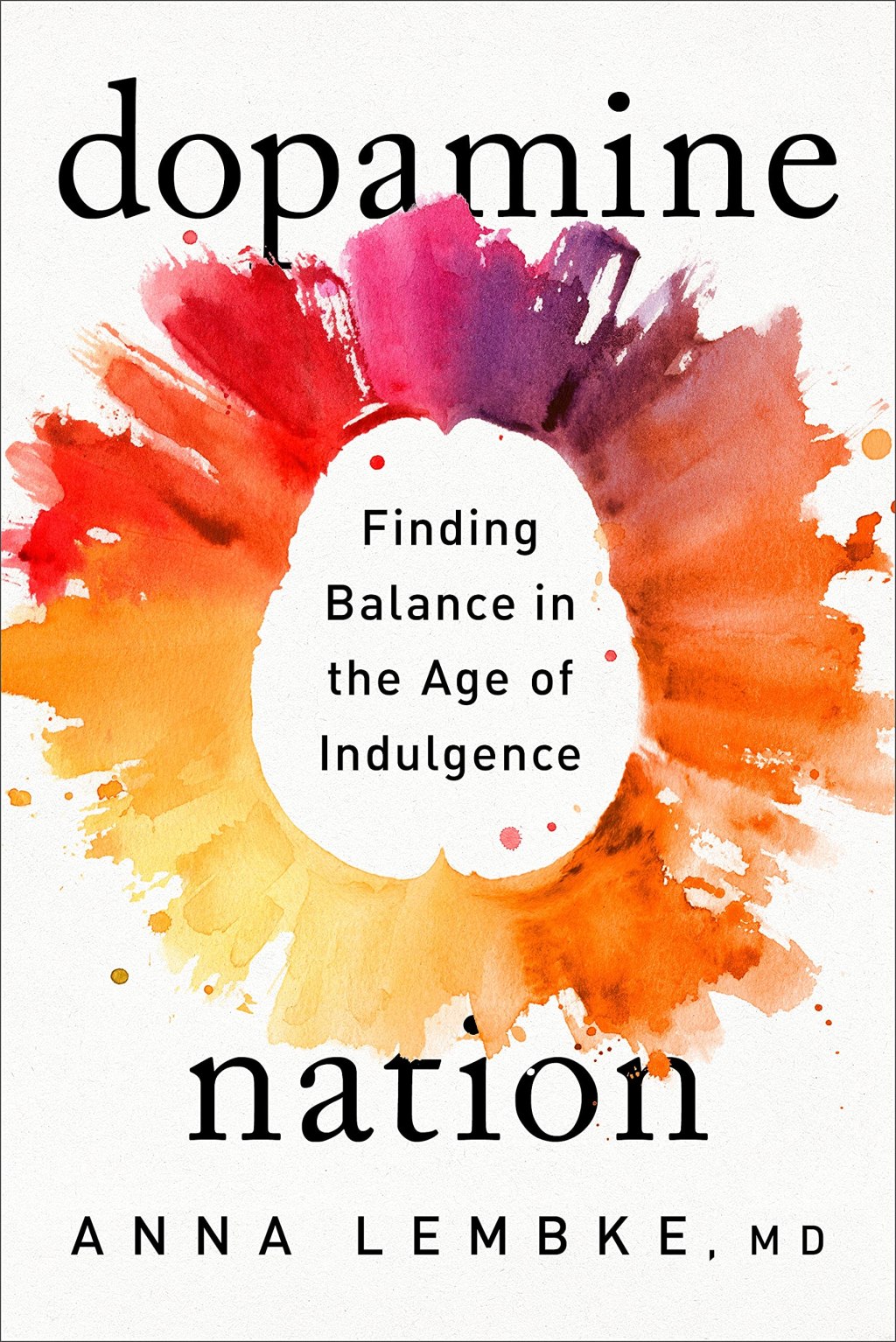
Author: Anna Lembke is an American psychiatrist, professor, and internationally recognized expert in addiction medicine. She serves as a Professor of Psychiatry and Behavioral Sciences at Stanford University and is the Medical Director of Stanford Addiction Medicine, where she specializes in treating patients with substance and behavioral addictions. Her clinical work and research focus on how dopamine, pleasure, and modern environments influence compulsive behavior.
In addition to her medical practice, Lembke has published numerous scientific articles and has contributed to public discussions about addiction, mental health, and the impact of technology on the brain. Her bestselling book Dopamine Nation: Finding Balance in the Age of Indulgence draws on her professional experience and explains how modern lifestyles affect the brain’s reward system and human behavior.
Summary: “Dopamine Nation” examines how the brain’s reward system functions and how constant exposure to pleasurable stimuli influences behavior, addiction, and emotional well-being. Anna Lembke explains that dopamine is a neurotransmitter responsible for motivation, reward, and reinforcement. When a person engages in pleasurable activities—such as using social media, consuming drugs, gambling, shopping, or eating highly processed foods—the brain releases dopamine, reinforcing the behavior and increasing the likelihood of repetition.
The book describes how the brain maintains a balance between pleasure and pain, often referred to as homeostasis. According to Lembke, repeated exposure to high-dopamine activities disrupts this balance. Over time, the brain reduces its sensitivity to dopamine, a process known as neuroadaptation. As a result, individuals may require greater stimulation to achieve the same level of pleasure, while experiencing increased discomfort, dissatisfaction, or craving when the stimulus is absent.
Lembke uses clinical case studies from her medical practice to illustrate different forms of addiction, including substance addiction (such as opioids, alcohol, and stimulants) and behavioral addiction (such as gaming, pornography, social media, and compulsive shopping). These examples demonstrate how addictive behaviors develop gradually and how they affect decision-making, emotional stability, and daily functioning.
The book also explains the concept of dopamine deficits, which can occur after repeated overstimulation of the reward system. During these periods, individuals may experience anxiety, depression, irritability, or emotional numbness. Lembke describes how this state reinforces the cycle of addiction, as individuals seek more stimulation to relieve discomfort.
In addition, Dopamine Nation outlines treatment and recovery approaches used in addiction medicine. These include abstinence from the addictive stimulus, allowing the brain’s dopamine system to reset over time. Lembke describes a process often referred to as a “dopamine fast,” in which individuals temporarily avoid stimulating behaviors to restore neurological balance. The book also discusses the importance of honesty, self-awareness, social support, and structured routines in recovery.
Throughout the book, Lembke connects neuroscience, psychology, and real-world clinical experience to explain how modern environments—characterized by easy access to rewarding stimuli—affect brain chemistry, behavior, and mental health.
Personal opinion: “Dopamine Nation” offers an informative and structured look into the neuroscience of addiction, supported by many clinical case studies from Anna Lembke’s work as a psychiatrist. The book clearly explains how dopamine influences behavior, motivation, and dependency, and how modern environments contribute to overstimulation and compulsive habits. The scientific concepts are presented in an accessible way, making complex neurological processes understandable even for readers without a medical background.
However, I personally expected the book to focus more specifically on social media addiction and digital overstimulation, which is one of the most relevant forms of dopamine-driven behavior today. While the book does mention modern sources of stimulation in general, social media itself is only briefly addressed, and most of the examples focus on substance addiction, gambling, or other compulsive behaviors. This made the scope feel slightly different from what I initially anticipated.
Despite this, the book provides valuable insight into the broader mechanisms of addiction and the brain’s reward system. It helps explain how easily habits can form and why breaking them can be difficult. Overall, *Dopamine Nation* presents a clear and educational overview of dopamine, addiction, and behavioral patterns, even if readers specifically interested in social media addiction may find that topic less explored than expected.





 BooksTerra
Leave a comment