
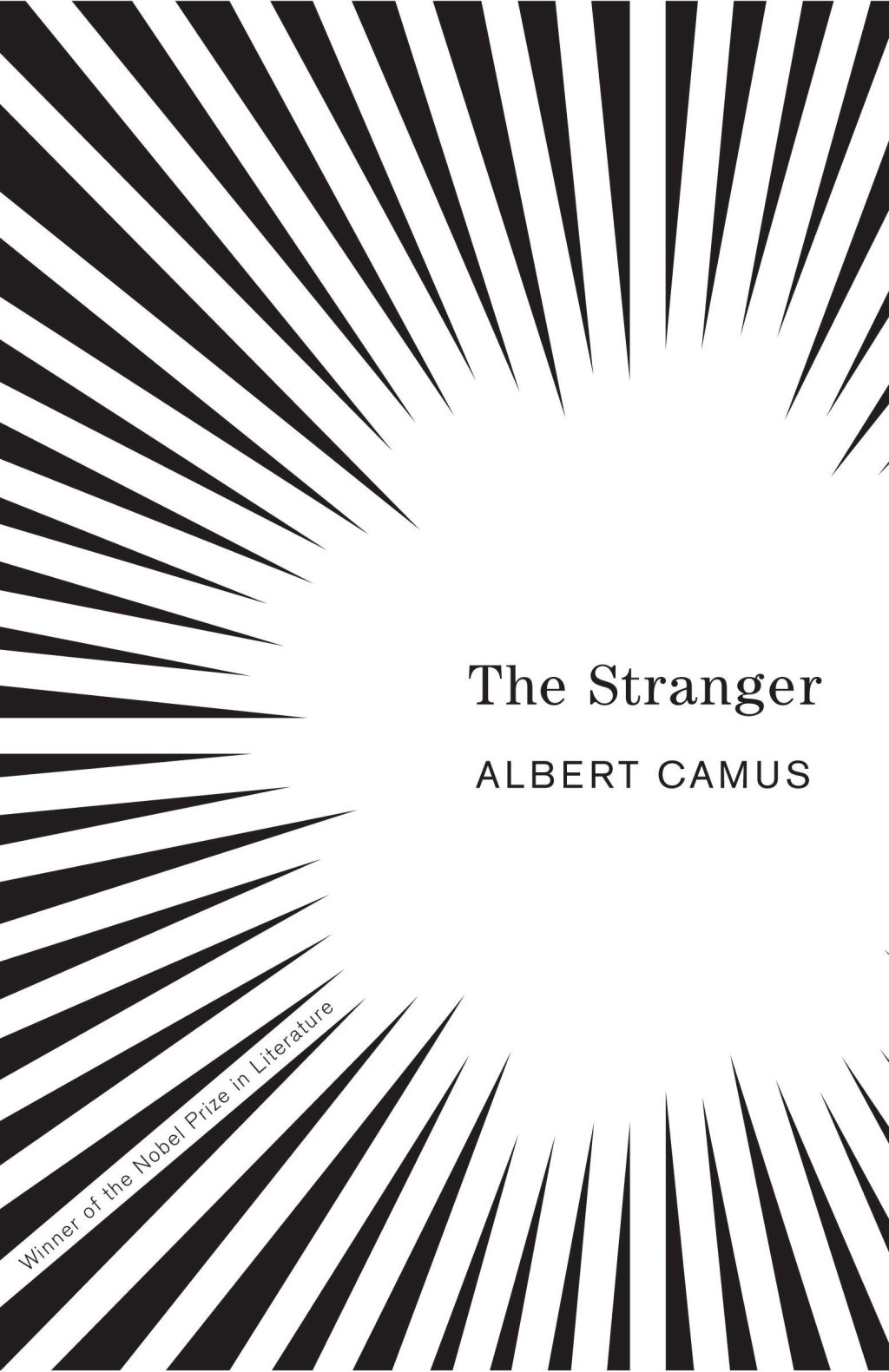
Author: Albert Camus (1913–1960) was a French-Algerian philosopher, author, and journalist, best known for his contributions to existentialism and the philosophy of absurdism. He explored themes of absurdity, rebellion, and human existence in his works. Some of his most famous books include “The Stranger”, “The Plague”, and “The Myth of Sisyphus”.
Camus was awarded the Nobel Prize in Literature in 1957 for his insightful and thought-provoking writing. His work often grapples with the conflict between the human desire for meaning and the indifferent, chaotic nature of the universe. Despite being associated with existentialism, Camus rejected the label, focusing instead on the idea of living authentically in a world without inherent meaning.
Summary: Albert Camus’ “The Stranger” is a novel that explores existential themes through the life of Meursault, an emotionally detached and indifferent French Algerian man. The story begins with the death of Meursault’s mother, an event he responds to with notable indifference. He continues his life in a passive, apathetic manner, engaging in a casual relationship with a woman named Marie and drifting through his days without deep emotional involvement.
The turning point comes when Meursault, seemingly without motive, kills an Arab man on a beach. His lack of remorse and emotional detachment become central to his trial, where society and the court are more disturbed by his lack of conventional feelings—especially towards his mother’s death—than by the murder itself.
As he faces execution, Meursault confronts the absurdity of life and comes to accept the universe’s indifference to human existence. He finds a sense of peace in recognizing that life has no inherent meaning, but that he can live authentically in the face of this realization.
“The Stranger” is a key work in Camus’ philosophy of absurdism, exploring themes of existential isolation, the search for meaning, and the conflict between individual freedom and societal norms.
Personal opinion: In my opinion, “The Stranger” is an accessible yet deeply thought-provoking read. Camus’ use of often short and simple sentences makes the novel easy to follow, but the depth of its meaning is far from simplistic. The character of Meursault is intriguing throughout, and while his emotional detachment seems stark at first, it challenges you to reflect on your own relationship with emotions. The moments where Camus introduces meaningful, emotionally charged sentences really make you pause and reconsider your own outlook on life and feelings. It’s a book that lingers in your thoughts long after you’ve finished reading it.
Get the book: https://amzn.to/3ME9dfc







 BooksTerra
Leave a comment